Green Pest Control Services in Sussex County for Environmentally Conscious Owners

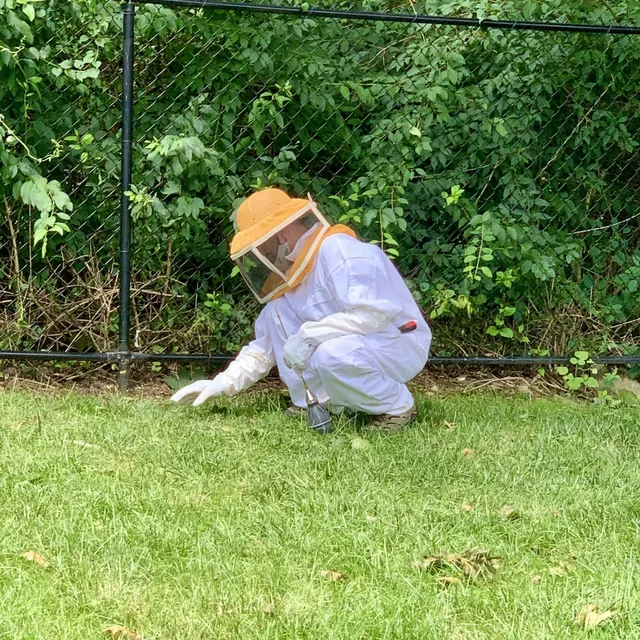
Choosing pest control used to feel simple. If insects or rodents showed up, you called a company, they sprayed, and the problem was supposed to disappear. For homeowners, landlords, and business operators in Sussex County, that old model no longer satisfies the full picture. People are thinking beyond immediate results. They want to protect pollinators, reduce unnecessary chemical exposure, keep pets safe, and avoid pushing pesticides into soil and stormwater. They also still want the ants gone, the mice out, and the wasps nowhere near the back deck.
That tension is exactly where green pest control earns its place. Done well, it is not soft, vague, or symbolic. It is disciplined pest management built around inspection, exclusion, habitat correction, targeted treatment, and restraint. The goal is not to avoid action. The goal is to act precisely, with methods that solve the problem while limiting collateral impact.
In Sussex County, that approach matters more than many people realize. This is a region of wetlands, wooded Pest Control Services Sussex County lots, farms, shore traffic, older homes, and newer developments built close to natural habitats. That mix creates constant pressure from seasonal pests. Carpenter ants thrive where moisture lingers. Ticks flourish along wooded edges. Mosquitoes exploit clogged gutters, containers, and low drainage spots. Mice take advantage of crawl spaces, utility gaps, and garage doors that do not seal tightly. A greener strategy works best when it reflects those local conditions, not when it relies on generic treatments copied from somewhere else.
What “green” pest control actually means on the ground
The term gets overused. Some companies use “eco-friendly” as a marketing gloss for a standard pesticide program with a softer label. A more credible definition is practical: use the least disruptive effective method first, reserve broader chemical action for situations that truly require it, and choose materials and application methods that reduce risk to people, pets, wildlife, and beneficial insects.
That usually starts with inspection, not spraying. An experienced technician looks for the reason pests are present in the first place. If a kitchen has odorous house ants, the fix may involve tracing a moisture source under the sink, identifying the entry route along a sill plate, and using targeted bait instead of broad interior spray. If a home has recurring mice, the real answer may be stainless steel exclusion, weather stripping, door sweeps, and sanitation changes in a pantry or pet feeding area. Spraying those problems without correcting the conditions only buys time.
Green pest control also depends on timing and placement. Treating a yellowjacket nest tucked into a wall void is very different from spraying a flowering hedge where bees are active. Applying a product to a narrow ant trail is not the same as broadcasting it over large outdoor surfaces. The best providers in this space are selective. They know when to do less, where to do less, and when less is enough.
Why Sussex County properties present unique challenges
Local pest pressure follows the landscape. Near wooded parcels and edge habitats, tick management becomes a serious concern from spring through fall. In low-lying areas or properties with standing water after rain, mosquitoes can quickly turn a yard into a place no one wants to use at dusk. Near agricultural land, outbuildings and stored materials can attract rodents. Shore and seasonal properties add another layer. Homes that sit vacant for stretches can develop unnoticed problems with mice, cluster flies, or moisture-related pests before owners return.
Older homes across Sussex County often hide pest access points in places owners never think to inspect. Fieldstone foundations, crawl space vents, aging door frames, attic louver gaps, and settling around utility penetrations create easy entry. Newer homes are not immune either. Tight construction helps in some ways, but development near wooded or marsh-adjacent zones can increase contact with ants, spiders, mosquitoes, and occasional invaders like stink bugs.
This is why reliable Pest Control Services Sussex County residents trust should never begin with a one-size-fits-all treatment sheet. Local experience matters. A technician who understands how coastal humidity affects carpenter ant activity, or how rodent pressure changes as temperatures drop in late fall, will build a far better plan than someone following a fixed national script.
The difference between green methods and ineffective DIY shortcuts
Many environmentally conscious owners hesitate to call professionals because they assume green service is just a more expensive version of what they can try on their own with essential oils, store sprays, and internet advice. That assumption usually collapses after a few weeks of frustration.
DIY methods can help on the margins. Sealing cereal in containers, fixing a leak, emptying standing water, and trimming foundation vegetation all matter. But most recurring infestations fail because the owner addresses the symptom and misses the pest biology. Ants may ignore the wrong bait because the colony currently wants protein, not sugar. Mice may disappear from view while nesting in insulation ten feet away. Cockroaches may survive because the visible adults are only a fraction of the population hidden in voids and appliances.
Green professional work succeeds because it blends building science with pest behavior. A good technician knows how far mice can compress their bodies to enter, how moisture changes the foraging patterns of ants, how to identify conducive conditions around mulch beds, and when a reduced-risk product is strong enough to break a cycle. There is judgment involved. That is what clients are paying for, not just the materials in the truck.
Integrated pest management is the backbone, not a buzzword
If you hear one term from reputable green providers, it should be integrated pest management, often shortened to IPM. The phrase sounds technical, but the principle is straightforward. Control pests by combining methods instead of leaning on chemical treatment as the first and only tool.
A solid IPM program in Sussex County often includes detailed inspection, pest identification, exclusion work, sanitation guidance, moisture control, habitat modification, and targeted monitoring. Treatments are selected based on what is found, not what was scheduled on a route sheet. That means one property may need baiting and crack-and-crevice application, while another mostly needs entry point sealing and follow-up monitoring.
This matters because not all pests respond well to the same strategy. Broad pesticide use can even make certain problems worse. Some ant species scatter when sprayed improperly, causing colonies to split and spread. Misapplied over-the-counter repellents can drive roaches deeper into walls instead of eliminating them. Exterior sprays used carelessly around flowering plants can harm non-target insects while doing little to fix the breeding or nesting source.
IPM also creates accountability. When a company documents where activity was found, what conditions were contributing, what corrections were recommended, and what treatment was used, the owner can actually see the logic of the plan. That is especially useful for landlords, property managers, restaurants, and childcare settings where both effectiveness and risk management matter.
Common pests where a greener approach works especially well
Ants are one of the clearest examples. For many Sussex County homes, especially in spring and early summer, a targeted baiting program paired with exterior exclusion and moisture correction works far better than routine broad interior spraying. It is lower impact and often more durable.
Rodents are another. There is nothing particularly green about ignoring mice until the infestation grows, then relying heavily on rodenticides. A more responsible approach focuses first on sealing access points, improving food storage, reducing clutter, and using strategic trapping. In some settings, especially where children, pets, or wildlife exposure is a concern, that approach is not just greener. It is smarter.
Mosquito control can also be handled responsibly, but it requires honesty. No company can make a property mosquito-free for an entire season, especially near wetlands or dense vegetation. What they can do is reduce breeding pressure, identify water sources, apply targeted larvicides where appropriate, and use barrier treatments selectively. A competent provider will explain limits instead of overselling.
Ticks deserve special attention in Sussex County because wooded edges, leaf litter, and host activity create steady pressure. A greener tick program usually combines vegetation management, habitat reduction, defined treatment bands rather than indiscriminate blanket application, and clear guidance for owners on reducing exposure. Families with dogs often appreciate this balanced approach because it aligns property treatment with veterinary prevention rather than pretending one service call solves the whole issue.
What treatment should feel like for the customer
A professional green pest service visit should feel investigative, not theatrical. If a technician spends three minutes on site, sprays baseboards, and leaves without discussing entry points, sanitation, moisture, or landscape conditions, that is a warning sign. A better appointment includes questions. When did the activity start? Where is it most visible? Is it tied to rain, food prep, pet bowls, mulch, attic storage, or utility penetrations? Has there been construction nearby? Have there been prior treatments, and what changed afterward?
The answers shape the plan. In one older Sussex County home, a “persistent ant problem” turned out to be repeated moisture around a poorly flashing rear door and a small void under a threshold. The ants were a symptom of damp wood and easy access. Once the moisture issue was corrected and the entry route treated precisely, the recurring interior sightings stopped. No heavy-handed chemical program was needed.
In another case, a family thought they had a sudden mouse invasion each fall. The real pattern was more specific. Decorative foundation shrubs had overgrown the service side of the house, a garage sweep had failed, and birdseed was stored in a thin plastic bag just inside the wall they were using to enter. Fixing that involved exclusion work, storage changes, trapping, and follow-up. It did not require saturating the property with bait stations and hoping for the best.
Questions worth asking before you hire anyone
The easiest way to separate credible providers from glossy marketing is to ask direct questions and listen for specific answers.
- How do you identify and document the source of the infestation?
- What non-chemical corrections do you recommend before or alongside treatment?
- How do you protect pollinators, pets, and nearby water-sensitive areas?
- Do you offer exclusion and habitat modification, or only treatment applications?
- How do you decide when a conventional product is necessary?
A strong company will answer without getting defensive. They should be comfortable discussing trade-offs. Sometimes a reduced-risk treatment is enough. Sometimes a more conventional material is the right call because the infestation is severe, a health risk is developing, or prior low-impact methods have failed. Green pest control is not ideological purity. It is disciplined decision-making.
Where environmentally conscious owners sometimes get it wrong
The most common mistake is assuming all pesticides are equally bad and all “natural” products are equally safe. That is not how real risk works. Exposure depends on the product, the dose, the placement, the timing, the persistence, and who or what might contact it. Some botanical products have strong odors, can irritate sensitive individuals, or require repeated applications that make them less practical than a carefully placed conventional treatment. On the other hand, some highly targeted professional materials, used correctly, have a lower overall impact than repeated indiscriminate consumer spraying.
Another mistake is delaying action too long. Owners sometimes tolerate early rodent, termite, or carpenter ant signs because they want to avoid treatment. By the time they call, the problem is larger, the repair costs are higher, and the options are narrower. Early intervention tends to be both greener and cheaper because smaller infestations usually allow for more targeted solutions.
There is also a tendency to focus only on the treatment itself and ignore the building conditions creating the pressure. Green pest control fails when clients want chemical restraint without making any environmental corrections. If a crawl space remains damp, a door gap stays open, trash is unmanaged, and tree limbs still touch the roof, even the best service plan will struggle.
Seasonal realities in Sussex County
Spring tends to bring ant activity, overwintering insect emergence, and the beginning of mosquito and tick concern. This is often the best window for inspection and prevention because problems are easier to interrupt before populations build.
Summer increases pressure from stinging insects, mosquitoes, pantry pests in warm kitchens, and moisture-related issues around foundations and outdoor living spaces. Outdoor dining areas, pet feeding stations, and irrigation overspray become more important than many owners expect.
Fall is rodent season. As temperatures cool, mice and rats start probing for shelter with real persistence. This is the time when exclusion work pays for itself. Waiting until scratching is heard in a wall means they have already found what they were looking for.
Winter is quieter on the surface, but not irrelevant. Interior pests remain active, especially in heated structures. It is also the best time to review vulnerability points without dense foliage obscuring the exterior. Many of the best prevention plans are built in the off-season.
Green service for businesses and multi-unit properties
Homeowners are not the only ones pushing for lower-impact pest management. In Sussex County, hospitality properties, professional offices, schools, restaurants, HOAs, and rental communities increasingly want programs that solve pest issues without creating customer concerns or tenant complaints.
These settings need more than good intentions. They need documentation, communication, and consistency. A restaurant cannot rely on broad spray and hope for the best. It needs drain management, waste handling discipline, exclusion at delivery points, and careful monitoring in storage and prep areas. A multifamily building has to account for shared walls, resident behavior, trash control, and the fact that treating one unit in isolation often fails. Green service in these environments is operational. It has to fit the way the property is actually used.
Owners and managers should expect regular reporting, clear recommendations, and cooperation between pest professionals, maintenance staff, and residents. The best results often come from small corrections made steadily, not dramatic interventions after a complaint spikes.
What fair pricing usually reflects
Green pest control is not always cheaper at the front end, especially when it includes careful inspection, exclusion, or follow-up monitoring. But pricing tells a story. If one company quotes a very low recurring service fee, that often means the model depends on quick visits and routine applications rather than thorough diagnosis. If another price is higher, ask what is included. Time on site, sealing work, trap checks, detailed reporting, and customized treatment planning all have value.
In practice, owners often save money over time when the service reduces repeat infestations and avoids unnecessary treatments. The bigger savings come from prevented damage. Catching moisture conditions that attract carpenter ants, or sealing rodent access before wiring and insulation are affected, is worth far more than the difference between two service plans.
Signs you have found the right provider
The right company usually sounds more measured than the wrong one. They do not promise miracles. They do not insist every problem needs monthly spray. They ask about your goals, whether that means child safety, pollinator protection, pet concerns, low-odor methods, or avoiding treatment in vegetable garden areas. They explain what is realistic, where the limits are, and what your role will be.
They also notice details. They look behind the obvious complaint. If you mention pantry moths, they ask about dry goods storage. If you mention mosquitoes, they ask about gutters, planters, birdbaths, and drainage. If you mention mice, they inspect the garage corners, utility penetrations, attic line, and weather seals. That attention is the difference between a temporary reduction in activity and a lasting fix.
For environmentally conscious owners in Sussex County, the best pest control is not the least aggressive option in theory. It is the most intelligent option in practice. It protects the property, respects the surrounding environment, and uses force with restraint. When Pest Control Services Sussex County providers work that way, green service stops being a niche preference and becomes what good pest management should have been all along.
Affordable Pest Solutions LLC
Based in Budd Lake, New Jersey 07828
Service area: Sussex County, Morris County, and Warren County, New Jersey
+1 973-229-9547
FAQ About Pest Control Services Sussex County
What is included in a pest control service in NJ?
A visit generally starts with an inspection to identify the pest and assess activity, access points, and contributing conditions. The proposed service may include treatment, monitoring, exclusion recommendations, and follow-up. Ask which pests and areas are covered by the written quote.
How much does a pest controller charge in NJ?
Pricing depends on the pest, property size, severity of activity, and work required. A single treatment and an ongoing plan can have different costs and coverage. Request an inspection-based estimate that explains the included work, follow-up fees, and warranty terms.
How to prepare my home for pest control?
Ask for instructions specific to the planned service. The technician may need access to inspection areas and may ask you to move belongings or protect food and dishes. Mention pets, aquariums, and any household concerns beforehand. Follow the product label and the technician's instructions about leaving and re-entering treated areas.
Corrections
Spot something wrong? Send it to the desk and it gets fixed in the open.