Pest Control Services in Sussex County That Prioritize Safe Treatments
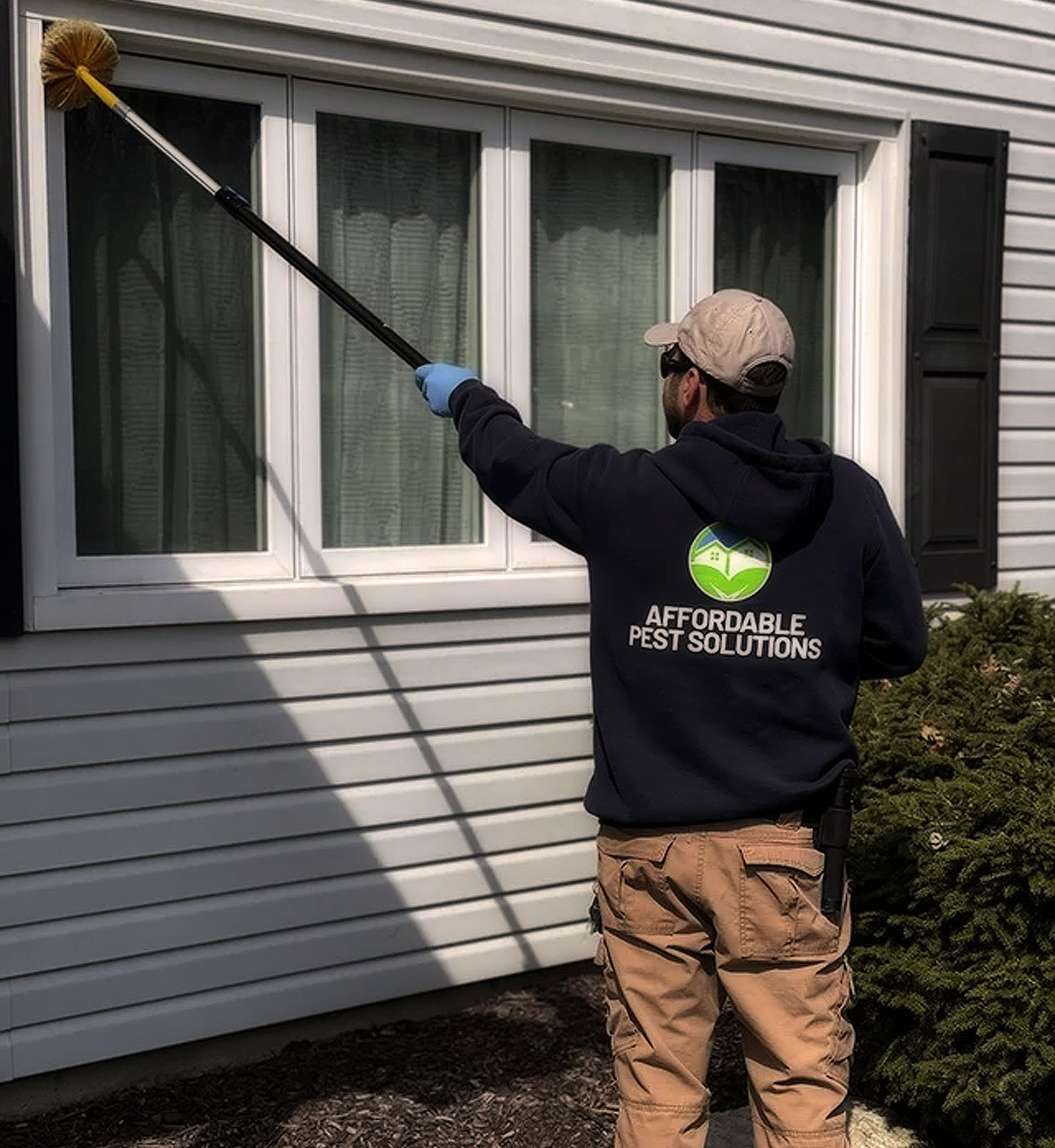
When people search for pest help, they usually want two things at once that can feel difficult to balance. They want the problem gone, and they want the treatment to feel responsible around children, pets, gardens, and the broader environment. In Sussex County, that balance matters more than many homeowners first realize. The region has a mix of older homes, wooded lots, coastal moisture, farm-adjacent properties, crawl spaces, septic systems, and seasonal population Pest Control Services Sussex County shifts. Each of those conditions changes how pests behave and how a treatment plan should be built.
Safe pest control is not the same as weak pest control. That misunderstanding causes plenty of frustration. A careful technician can often reduce pesticide use while getting better long-term results, simply by identifying the actual source of the infestation and fixing the conditions that support it. In practice, the safest work is usually the most methodical work. It begins with inspection, moves to exclusion and habitat correction, and uses targeted products only where they are truly needed.
That is the standard more residents are asking for when they compare Pest Control Services Sussex County offers. They are not just asking, “What do you spray?” They are asking better questions. Where will it be applied? How much? Is it necessary? What happens after rain? Is it appropriate around a dog that licks baseboards, or a toddler who crawls near thresholds, or a vegetable bed near the foundation? Those are the questions that separate a routine service call from a thoughtful one.
What “safe treatments” actually mean in real homes
Safe treatment is sometimes used as a marketing phrase, but in the field it has a more practical meaning. It means choosing the least disruptive and least hazardous effective method for the specific pest, then applying it with restraint and precision. That could mean using baits in tamper-resistant stations instead of broad liquid applications. It could mean sealing gaps around utility penetrations before any product is used. It could mean placing insect growth regulators in strategic locations inside a garage rather than treating every visible surface. The point is not to avoid every chemical at all costs. The point is to avoid unnecessary exposure and wasted application.
In a Sussex County home, a safe treatment plan often starts outside, not inside. Many pests enter because of moisture, harborage, and access. Wet mulch piled high against siding, dense vegetation touching the house, torn crawl space vents, loose sweeps under doors, and attic vents without proper screening are invitations. A technician with good judgment notices those things during the first visit. A less careful provider may reach for the sprayer first and move on.
There is also a timing issue. Safe treatment depends on life cycles. German cockroaches in a kitchen require a very different approach from occasional American roaches wandering in from a damp exterior. Stinging insect nests under eaves are not handled the Pest Control Services Sussex County same way as carpenter bees in fascia boards. Mice in October behave differently from mice in February. The more precisely a company identifies the pest and the conditions around it, the less product it usually needs.
Sussex County creates its own pest pressures
Local conditions matter. Sussex County has enough variation in landscape and housing stock to create several overlapping pest patterns. Homes near the coast deal with moisture, salt air wear, and seasonal vacancy issues that make pest monitoring harder. Inland wooded lots see more ant pressure, rodents, spiders, ticks, and occasional wildlife conflicts. Agricultural edges can increase fly activity, rodent movement, and overwintering insect pressure. Older homes often have more entry points, especially around additions, sill plates, crawl spaces, and detached outbuildings.
Termites are a common concern in many parts of Delaware, and they are a good example of why safe treatment requires expertise rather than slogans. Homeowners sometimes assume termite control means saturating the property with chemicals. In reality, the safest effective approach may depend on the structure, evidence of activity, and construction type. In some cases, a baiting system with regular monitoring makes sense. In others, a targeted liquid termiticide application around key structural points may be the right move. Neither method is automatically “safe” or “unsafe” in the abstract. It depends on proper installation, placement, dosage, follow-up, and whether the chosen method fits the building.
Mosquito control presents a similar challenge. In Sussex County, especially during humid stretches, residents want relief in their yards. But blanket treatment of every green surface is not the most thoughtful answer. Standing water management, gutter correction, drainage review, and selective treatment around resting zones usually matter more than a quick fogging pass. Homeowners often notice this difference after a few weeks. A yard that was treated carelessly may show little lasting improvement because the breeding sources were never addressed.
The best providers inspect before they recommend
One of the clearest signs of a safety-first company is patience during the inspection. If a technician gives a firm treatment recommendation before looking at the attic, crawl space, kitchen voids, exterior foundation line, or likely entry points, caution is warranted. Pests leave patterns. Droppings, rub marks, frass, grease trails, cast skins, moisture staining, gnawing, nesting debris, and sheltering zones tell a story. Without reading that story, treatment becomes guesswork.
A good inspection is not flashy. It is detailed. It may take longer than the homeowner expects. On a mouse job, for example, the technician should not only look for activity but also identify why the mice are there. Birdseed in the garage, a gap around the gas line, a crawl space door that does not close tightly, and insulation disturbance near the sill can explain more than the trap count alone. If those conditions remain, the service often turns into an endless cycle of callbacks.
The same is true for ants. I have seen homes treated repeatedly for “sugar ants” when the real issue was carpenter ants nesting in wet trim near a leaking hose bib or poorly flashed chimney chase. The wrong identification led to repeated indoor treatments that never solved the problem. Once the moisture source was corrected and the nest zone addressed directly, the ant activity dropped sharply.
This is where Pest Control Services Sussex County residents can trust tend to distinguish themselves. They ask about timing, weather, recent renovations, pet behavior, landscaping changes, and what the homeowner has already tried. Those details matter because they narrow the field and prevent over-treatment.
Products matter, but placement matters more
Many people focus on the product name, and that is understandable. They want to know what is being used around their home. Still, in practical pest management, placement often matters more than the label recognition. The same active ingredient can be handled responsibly or carelessly depending on how and where it is applied.
Take gel baits for cockroaches. In skilled hands, they are among the most effective and lowest exposure tools available for certain infestations. But they only work if they are placed where roaches forage and harbor, protected from cleaning, heat, and moisture, and used alongside sanitation improvements. Smearing bait randomly where people can touch it is not good service. Tiny placements in cracks, hinges, motor compartments, and hidden runways are.
Rodent control is another area where careful placement matters. Exterior bait stations can be useful, but they should be secured, monitored, and positioned strategically. Indoors, snap traps in protected stations are often a cleaner and more controlled option than loose poison placement, especially in homes with pets or where odor from inaccessible carcasses would become a problem. It is not uncommon for homeowners to regret a rushed poison-heavy rodent treatment when a mouse dies inside a wall cavity and the smell lingers for days.
For wasps and hornets, the safest treatment can be very site-specific. A nest under a child’s playset needs a different plan from a high nest under a second-story eave. Time of day matters. Access matters. Whether the nest is active or abandoned matters. A technician who communicates those factors clearly is usually one who takes safe treatment seriously.
Integrated pest management is the backbone of safer service
The term integrated pest management, often shortened to IPM, gets used often, but it is still the most useful framework for discussing safe service. At its core, IPM means combining inspection, identification, prevention, monitoring, and targeted treatment in a way that minimizes risk and maximizes effectiveness. It is practical, not theoretical.
In a Sussex County setting, an IPM-oriented company might begin with non-chemical corrections that immediately lower pest pressure. Sealing an eighth-inch gap under a side door can stop a surprising number of insects and rodents. Adjusting irrigation to keep mulch from staying damp against the foundation can reduce ant and earwig activity. Pulling firewood away from siding can change the whole exterior pest picture. These are not glamorous fixes, but they work.
Then, when products are necessary, IPM pushes toward precision. Instead of “spraying the whole house,” the technician may treat a narrow band at a critical entry zone, dust a wall void with active nesting, install monitors in utility rooms, or use a bait specifically selected for the target pest. The difference is not just environmental. It is professional. Precision generally means the person doing the work understands pest biology rather than relying on habit.
A simple way to recognize an IPM mindset is to listen for the recommendations given after the treatment. If the service ends with no discussion of moisture control, storage practices, exclusion, sanitation, or follow-up monitoring, that is not a complete pest strategy.
Questions worth asking before you hire anyone
Residents do not need to become pest experts to hire well, but a few direct questions can tell you a lot about how a company operates. The answers should be specific, not vague.
- How do you identify the pest before choosing a treatment?
- What non-chemical steps do you recommend for this issue?
- Where exactly will products be applied, and where will they not be applied?
- What precautions should I take for children, pets, aquariums, or gardens?
- How do you measure success after the initial visit?
A reliable company should be comfortable with those questions. More importantly, the answers should sound tailored to your situation. A condo near the beach, a year-round family home on a wooded lot, and a rental property with frequent turnover should not receive identical advice.
Common Sussex County pest issues that benefit from low-exposure strategies
Several pest problems respond especially well to safer, low-exposure treatment plans when the technician is disciplined.
Ants are a prime example. Many exterior ant issues improve with nest targeting, exclusion, and limited perimeter work rather than heavy interior application. With pavement ants, odorous house ants, and carpenter ants, the strategy changes according to the species, but broad indoor spraying is rarely the smartest first step.
Roaches, particularly in kitchens and multifamily environments, often respond better to baits, growth regulators, vacuuming, and harbor-age reduction than to repeated broadcast sprays. The difference can be dramatic. A lightly infested home may improve quickly once grease buildup, cardboard clutter, and appliance void activity are addressed correctly.
Rodents are another case where safety and effectiveness usually align. Exclusion, trap placement, and sanitation often provide better control than heavy reliance on toxicants. On properties with sheds, chicken feed, or stored seed, the conversation should include storage containers and outdoor housekeeping, not only bait blocks.
Fleas require honesty because they test the patience of both homeowner and technician. The safest approach still has to be thorough. Pet treatment through a veterinarian, laundering, vacuuming, and timed follow-up are usually part of the process. If a company pretends one visit will always solve a flea infestation, be skeptical.
Bed bugs also demand candor. Safe treatment does not mean casual treatment. It means careful inspection, realistic preparation instructions, targeted product use when appropriate, and often some mix of heat, steam, encasements, monitoring, and repeat visits. No serious professional should understate the work involved.
Households with children, pets, and health sensitivities need clearer planning
Some homes require extra caution, and a good provider will adapt without being asked twice. That includes households with crawling children, elderly residents, pregnant family members, immunocompromised occupants, birds, reptiles, fish tanks, or pets with unusual habits. Anyone who has ever watched a dog lick a treated threshold or seen a toddler pull at floor-level baiting concerns understands why communication matters.
For these households, safe treatment planning often includes product selection, but it also includes timing, ventilation, restricted access, and alternate methods. A pet bird in a sunroom may change where or whether certain materials are used. A saltwater aquarium may require special caution around aerosolized products. A child with severe asthma may make dust and odor control especially important. These are not edge cases. They are common realities.
It also helps when technicians speak plainly. Homeowners should not have to decode jargon to understand reentry times, cleaning instructions, or what to do if a pet finds a trap station. The best service calls leave people informed, not intimidated.
Seasonal service can be smart, but only if it is justified
Recurring service has a place in pest control, especially in areas with steady exterior pressure. Sussex County homes surrounded by woods, wetlands, or high moisture often benefit from seasonal monitoring and preventive work. But recurring service should not become automatic treatment without purpose.
A well-run maintenance plan usually changes with the season. Spring may focus on ants, early stinging insects, and termite monitoring. Summer may shift toward mosquitoes, wasps, and moisture-related invaders. Fall often centers on rodents and overwintering insects seeking entry. Winter can be the best time to reassess exclusion work, attic conditions, and garage vulnerabilities. The treatment pattern should reflect those changes.
Homeowners should feel comfortable asking whether a scheduled application is needed if pest pressure has been low. An honest provider will explain why a visit still adds value, or adjust the plan if conditions do not justify treatment. Safety-minded companies understand that restraint builds trust.
What homeowners can do to support safer pest control
Professional service works best when the property itself is helping rather than fighting the plan. A few changes can make treatments more targeted and less frequent.
- Keep mulch and dense plantings from pressing directly against the foundation.
- Store pet food, birdseed, and grass seed in sealed containers.
- Fix leaks promptly, especially under sinks, in crawl spaces, and around hose bibs.
- Seal utility gaps, door sweeps, and torn screens before peak pest seasons.
- Reduce cardboard clutter in garages, basements, and utility areas.
None of these steps replaces professional pest control when there is an active infestation, but they often reduce the intensity of service needed. They also give the technician better conditions to work with, which usually leads to safer and more durable results.
Warning signs that “safe” is being used as a sales line
Most companies understand that customers care about safety, which means the term can be used loosely. A few warning signs can help you sort serious providers from smooth marketing.
One is vagueness. If the company cannot explain where treatments go, why they are necessary, or what alternatives were considered, that is a problem. Another is speed. If the inspection feels rushed, the recommendation may be generic. A third is overpromising. Pest biology does not bend to slogans. Some infestations need follow-up. Some conditions on the property will need correction before control stabilizes. Professionals who admit that tend to be more trustworthy than those who promise instant, effortless results.
Pricing can also tell a story. Extremely cheap service often leaves no room for careful inspection, species identification, exclusion guidance, or meaningful follow-up. Pest control is one of those fields where the lowest bid can become the most expensive option after repeat issues, property damage, or unnecessary applications.
Why communication is part of safe treatment
One of the strongest indicators of quality has nothing to do with chemistry. It is communication. Safe treatment depends on good instructions before and after the visit. If the homeowner is told to empty a cabinet, vacuum specific areas, keep pets out for a certain period, or avoid washing a treated crack for a few days, those instructions should be clear and realistic.
Written service notes matter too. A homeowner should be able to look at the report and understand what pest was found, what areas were treated, what materials were used if any, and what conditions need correction. That record is useful not only for safety but for accountability. If the issue returns, everyone can review what was done and what changed.
This is especially important in real estate situations, rental properties, and vacation homes common across Sussex County. When occupancy shifts or multiple people are involved in property care, clear documentation prevents confusion and helps the next service visit start from facts rather than guesses.
Choosing service that solves the problem, not just the symptoms
The strongest Pest Control Services Sussex County homeowners can hire are usually not the ones making the biggest claims. They are the ones willing to spend extra time identifying the pest, examining the structure, and explaining a plan that starts with prevention and uses targeted treatment only where it adds real value.
That approach respects both health and property. It lowers unnecessary exposure, but it also tends to work better over time because it addresses why pests are present in the first place. Safer service is not about doing less. It is about doing the right things in the right order, with enough skill to know the difference.
For Sussex County residents, that standard is worth insisting on. Whether the issue is ants in a kitchen, rodents in a crawl space, termites near a sill, or mosquitoes around a backyard patio, a careful, well-communicated, low-exposure strategy can protect the home without turning treatment into a bigger concern than the pest itself.
Affordable Pest Solutions LLC
Based in Budd Lake, New Jersey 07828
Service area: Sussex County, Morris County, and Warren County, New Jersey
+1 973-229-9547
FAQ About Pest Control Services Sussex County
What is included in a pest control service in NJ?
A visit generally starts with an inspection to identify the pest and assess activity, access points, and contributing conditions. The proposed service may include treatment, monitoring, exclusion recommendations, and follow-up. Ask which pests and areas are covered by the written quote.
How much does a pest controller charge in NJ?
Pricing depends on the pest, property size, severity of activity, and work required. A single treatment and an ongoing plan can have different costs and coverage. Request an inspection-based estimate that explains the included work, follow-up fees, and warranty terms.
How to prepare my home for pest control?
Ask for instructions specific to the planned service. The technician may need access to inspection areas and may ask you to move belongings or protect food and dishes. Mention pets, aquariums, and any household concerns beforehand. Follow the product label and the technician's instructions about leaving and re-entering treated areas.
Corrections
Spot something wrong? Send it to the desk and it gets fixed in the open.