The Ultimate Guide to Pest Control Services in Sussex County


Sussex County has the kind of landscape that people love for good reason: wooded lots, farmland, shore communities, older downtown neighborhoods, wetlands, and plenty of seasonal movement between cool winters and humid summers. The same mix that makes the area attractive to homeowners and businesses also makes it ideal for pests. Ants push indoors after heavy rain. Rodents look for warmth when temperatures drop. Mosquitoes thrive anywhere standing water lingers. Termites quietly work behind walls and under floors, often for months before anyone notices.
That is why choosing the right Pest Control Services Sussex County residents rely on is not just a matter of convenience. It is a matter of protecting property, preserving health, and preventing small issues from becoming expensive repairs. Pest control is rarely about one dramatic visit. More often, it is about inspection, judgment, timing, and follow-through.
Many people call for service only after they have seen droppings in a pantry, heard scratching in an attic, or watched ants trail across a kitchen counter. By then, the pest activity has usually been underway for some time. Good service starts with understanding what is happening, why it is happening, and what needs to change so it does not keep happening.
Why pest pressure in Sussex County is different
Sussex County creates a very particular pest environment. Coastal moisture, inland woods, crawl spaces, aging homes, agricultural edges, and tourist traffic all shape what technicians encounter throughout the year. A pest issue in a newer townhouse near a commercial corridor may look nothing like one in a century-old farmhouse or a seasonal beach rental.
Termites, for example, become more likely where wood-to-soil contact, moisture, and older structural conditions overlap. Carpenter ants often show up where damp wood has already softened trim, porches, or window frames. Mice and rats take advantage of tiny gaps around utility lines, garage thresholds, and crawl space vents. In shore-adjacent areas, mosquitoes can become a constant frustration from spring through early fall, especially after warm, wet stretches.
A one-size-fits-all treatment plan rarely works well here. The best operators adjust their methods to the property itself, the season, and the biology of the pest. That sounds obvious, but it is the difference between a service that suppresses activity for a week and one that solves the problem at the source.
What professional pest control actually includes
People sometimes assume pest control means someone arrives with a sprayer, treats baseboards, and leaves. Quality service is far more thoughtful than that. Inspection comes first. A trained technician is looking for entry points, moisture issues, nesting material, harborage zones, conducive conditions, and signs of current versus past activity.
A proper visit often includes checking attic insulation for tunneling, scanning sill plates and crawl spaces for termite evidence, identifying whether droppings are from mice or larger rodents, and distinguishing between nuisance ants and wood-damaging species. That matters because treatment follows diagnosis. Spraying for one pest when the real issue is another wastes time and money.
Professionals also look at the surrounding environment. Is firewood stacked against the house? Are gutters overflowing near the foundation? Is there dense mulch holding moisture along exterior walls? Are tree limbs touching the roofline? Pest control is as much about correction as treatment. The chemical side of the work is only one piece.
The strongest companies explain this clearly. They do not rely on fear. They show what they found, discuss likely causes, and set realistic expectations. If you have a severe German cockroach problem in a multi-unit property, one visit will not fix it. If you have an isolated ant trail caused by a wet sill after a storm, targeted treatment plus drying the area may solve it quickly. Professional judgment lies in knowing the difference.
The pests Sussex County property owners deal with most often
Rodents remain one of the most common calls, especially in fall and winter. Mice can squeeze through openings far smaller than most people expect, often around utility penetrations, garage corners, and foundation gaps. Once inside, they reproduce fast and contaminate stored food, insulation, and surfaces. Rats tend to be more common where food waste, clutter, or exterior hiding spots are readily available, though they can also show up in ordinary suburban settings.
Ants create a different kind of frustration. Pavement ants and odorous house ants often enter kitchens and bathrooms in search of moisture or food. Carpenter ants raise more serious concerns because they excavate wood, particularly where dampness has weakened structural materials. Many homeowners mistake swarming ants for termites or vice versa, which is one reason expert identification matters.
Termites deserve special attention in Sussex County because the damage can be significant before detection. Subterranean termites travel from the soil into a structure, often through hidden pathways. Mud tubes along foundation walls, hollow-sounding wood, blistered paint, or swarming near windows can all point to activity, but the absence of those signs does not guarantee safety. Real termite control depends on inspection quality and long-term monitoring.
Mosquitoes are a seasonal issue that affects quality of life more than many people realize. They turn decks, yards, and pool areas into places people avoid. In wetter years, local mosquito pressure can become intense. Treatment may include targeted applications to shaded foliage and advice on reducing standing water in planters, gutters, tarps, drains, and birdbaths.
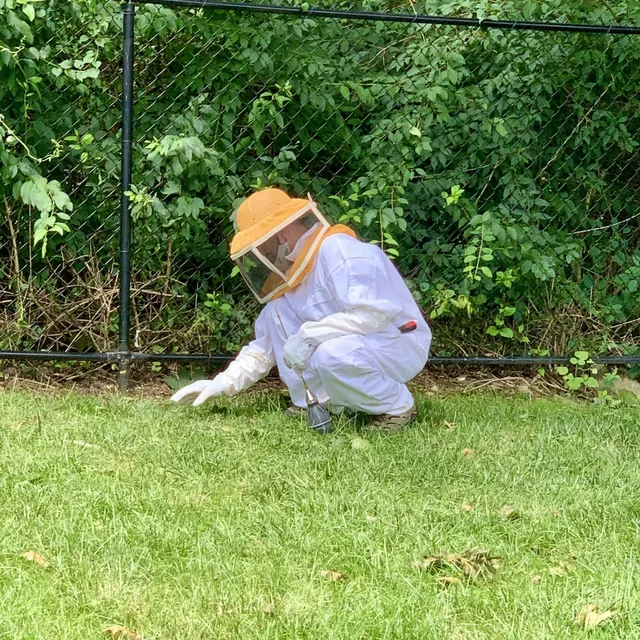
Stinging insects, including yellowjackets, paper wasps, and hornets, are another routine concern. Nests under eaves, inside wall voids, near soffits, or in the ground can quickly turn from nuisance to hazard, especially for families with children or anyone with allergies. A rushed homeowner with a store-bought aerosol often makes the situation worse. Removal is one of those jobs where experience matters more than bravery.
Residential service is part science, part detective work
Homes reveal patterns if you know where to look. A technician who has spent years working in houses across Sussex County can usually tell within a few minutes whether the problem is likely tied to moisture, sanitation, exclusion gaps, or something structural. It is rarely random.
Consider a common scenario: a homeowner notices ants in the upstairs bathroom every morning, but not in the kitchen. The instinct is to treat the bathroom. A careful inspection may instead find a minor roof leak or a plumbing issue in the wall cavity that is attracting them. Kill the visible ants without fixing the moisture, and the activity usually returns.
Or take rodent calls. Many customers are convinced mice are entering under the front door because that is where they first saw one. Quite often, the actual access point is at the back of the house near an AC line set, a loose vent, or a gap behind shrubbery where no one ever looks. Effective rodent control depends heavily on exclusion, not just traps or bait.
This is where professional pest control earns its value. It compresses time. Instead of spending six weekends trying random products from a hardware store, a good service identifies the pest, the pressure points, and the practical fix.
Commercial pest control demands a different standard
Businesses in Sussex County face a separate level of risk. Restaurants, cafes, healthcare offices, apartment communities, schools, warehouses, and retail spaces cannot treat pest control as a once-a-year task. They need documentation, consistency, discretion, and prevention.
For food-related businesses, the stakes are obvious. One rodent sighting, one fly issue near prep space, or one cockroach incident can become a health inspection problem and a reputation problem at the same time. Commercial service should include regular inspections, detailed reporting, trend tracking, and recommendations staff can actually follow.
Property managers also need a broader view. In multifamily housing, pest issues often move between units through plumbing penetrations, shared walls, and utility chases. Treating one apartment without addressing neighboring pressure can lead to recurring complaints and tenant dissatisfaction. The right provider will understand how to coordinate treatment schedules, communicate expectations, and document what was done.
Seasonal businesses face their own rhythm. Vacation rentals and hospitality properties may need intensified Affordable Pest Solutions LLC Pest Control Services Sussex County service before peak occupancy periods, then different attention once weather shifts. Timing matters. An empty building with a moisture problem can become a rodent or insect haven surprisingly fast.
What to expect during an initial inspection
A strong initial inspection should feel methodical, not rushed. The technician should ask what you have seen, where you have seen it, how long it has been happening, and whether the activity changes by time of day or weather. That information helps narrow the possibilities quickly.
Inside the property, they may inspect kitchens, bathrooms, basements, attics, utility rooms, garages, and storage areas. Outside, they should look at foundation lines, vegetation, drainage, gutters, siding transitions, crawl space vents, and any place utility lines enter the structure. If termites are the concern, expect close attention to wood contact, moisture, and inaccessible areas where hidden activity can occur.
You should also expect plain language. If a company talks around the problem or refuses to explain its findings, that is a red flag. Good professionals know how to tell a homeowner, landlord, or business manager exactly what is happening without resorting to alarmist language.
One of the best signs of quality is when a technician points out conditions that matter even if they do not directly increase the invoice. A loose door sweep, a clogged gutter corner, a leaking hose bib, or stacked cardboard in a damp basement may seem minor. In pest terms, they often are not.
Treatment methods and why the best plan is not always the strongest one
People often equate effective pest control with heavier chemical use. In practice, that is rarely the smartest route. The best treatment plan is the one that targets the pest precisely, uses materials responsibly, and works with environmental correction and exclusion.
For ants, that may mean baiting and treating entry zones rather than broad interior spraying. For rodents, it often means sealing access points and placing traps strategically where travel is actually occurring. For termites, it may involve a soil treatment, baiting system, or another professional approach based on the structure and construction type. For mosquitoes, timing and coverage can be just as important as product choice.
There are trade-offs. Exterior perimeter service can be very effective for many common crawling insects, but if the issue is being driven by a persistent moisture source indoors, exterior work alone may not hold. Rodent bait can reduce populations, but if entry gaps remain open, new mice may replace the old ones. A cheap one-time treatment can look attractive until repeat problems make it more expensive than a thorough service plan would have been.
That is why pricing should be viewed in context. The lowest quote may cover the least inspection time, the fewest return visits, or the least amount of corrective guidance. Pest control is one of those services where details matter more than headlines.
How to judge a pest control company before you hire them
Homeowners and managers often ask the same question: how do you tell who is reliable? The answer is less about flashy marketing and more about how the company handles specifics. Do they identify the pest confidently? Do they explain the reason for the treatment? Do they offer a plan for prevention? Are they clear about follow-up and warranty terms?
A useful short checklist looks like this:
- They inspect before they treat.
- They explain findings in plain English.
- They recommend prevention steps, not just products.
- They set realistic expectations about timing and results.
- They document what was done and what comes next.
If a company promises permanent elimination of every pest under all conditions, be cautious. Pest pressure changes with season, weather, neighboring activity, and building maintenance. Honest professionals talk about control, prevention, monitoring, and response, not magic.
Preventive steps that make professional service work better
Even the best Pest Control Services Sussex County offers will perform better when the property supports the effort. Small corrections can dramatically reduce recurring pressure. Most are not expensive, but they do require attention.
The most useful habits include these:
- Keep mulch and dense vegetation from pressing directly against the foundation.
- Repair leaks quickly, especially in crawl spaces, basements, and under sinks.
- Store food, pet food, and bird seed in sealed containers.
- Seal exterior gaps around pipes, wires, vents, and door sweeps.
- Reduce standing water in gutters, planters, toys, tarps, and low spots.
None of these steps replaces treatment when an infestation is active. They simply remove the conditions that let pests thrive. In many homes, prevention is what turns a recurring problem into a manageable one.
Seasonal patterns matter more than most people think
In Sussex County, the calendar often predicts the calls. Late winter and early spring bring termite swarm concerns, especially on Pest Control Services Sussex County warmer days after rain. Spring also kicks off ant activity and the first uptick in stinging insect nest building. Summer belongs to mosquitoes, flies, and the larger visible wasp and hornet issues that send people back indoors.
As nights cool in fall, rodent calls rise sharply. Mice do not need a dramatic opening to enter. A gap the width of a pencil can be enough. Once they get into wall voids or attics, they settle in quickly. Winter then becomes the season when long-ignored entry points finally reveal themselves through noises, droppings, and chewed packaging.
This seasonality is one reason year-round service plans can make sense, especially for homes with recurring pressure or businesses with low tolerance for pest activity. The value is not only treatment. It is having someone watching the property through the times when pressure shifts.
Common mistakes people make before calling a pro
The most frequent mistake is waiting too long. A handful of ants in April may not look urgent, but repeated sightings in the same place usually mean there is a reason they keep returning. The same goes for occasional rodent droppings. Very few rodent issues stay small if left alone.
Another common mistake is using too many over-the-counter products at once. Homeowners sometimes combine foggers, traps, sprays, bait stations, and repellent pouches in ways that interfere with effective control. In some cases, they scatter pests deeper into the structure instead of resolving the infestation.
Misidentification is another problem. Carpenter ants get treated like ordinary house ants. Termite swarmers get dismissed as flying ants. Drain flies, fungus gnats, and fruit flies are lumped together even though their breeding sources differ. The result is effort spent in the wrong place.
There is also a tendency to focus only on where the pest was seen, rather than how it got there. That is understandable, but pests leave clues upstream. The visible activity is often the end of the story, not the beginning.
When emergency service makes sense
Not every pest issue is an emergency, but some situations justify immediate response. A large hornet nest near a doorway, rodent activity in a commercial kitchen, signs of bed bugs in a hospitality setting, or a serious cockroach issue in a food business should not wait. The same goes for a sudden termite swarm inside the structure, especially if no prior termite protection is in place.
For households with infants, elderly residents, or anyone with respiratory sensitivity or severe insect sting allergies, urgency may also be higher. Good companies understand this and prioritize risk appropriately. Emergency service should still be deliberate, though. Fast does not have to mean careless.
The long view: pest control as property protection
At its best, pest control is part of routine property care, no different from maintaining a roof, servicing HVAC equipment, or managing drainage. It protects materials, preserves comfort, reduces health concerns, and catches problems before they spread.
In Sussex County, where moisture, seasonal shifts, and varied building types all play a role, the right service is one that pays attention to context. It does not just knock down visible activity. It reads the property, adjusts to the season, and helps owners make choices that hold up over time.
That is the real value behind professional Pest Control Services Sussex County property owners trust. You are not only paying for treatment. You are paying for identification, timing, restraint, experience, and the ability to separate a minor nuisance from a structural threat. Done well, pest control is quiet work. It keeps problems from becoming stories you have to tell later, after the repair bills arrive.
Affordable Pest Solutions LLC
Based in Budd Lake, New Jersey 07828
Service area: Sussex County, Morris County, and Warren County, New Jersey
+1 973-229-9547
FAQ About Pest Control Services Sussex County
What is included in a pest control service in NJ?
A visit generally starts with an inspection to identify the pest and assess activity, access points, and contributing conditions. The proposed service may include treatment, monitoring, exclusion recommendations, and follow-up. Ask which pests and areas are covered by the written quote.
How much does a pest controller charge in NJ?
Pricing depends on the pest, property size, severity of activity, and work required. A single treatment and an ongoing plan can have different costs and coverage. Request an inspection-based estimate that explains the included work, follow-up fees, and warranty terms.
How to prepare my home for pest control?
Ask for instructions specific to the planned service. The technician may need access to inspection areas and may ask you to move belongings or protect food and dishes. Mention pets, aquariums, and any household concerns beforehand. Follow the product label and the technician's instructions about leaving and re-entering treated areas.
Corrections
Spot something wrong? Send it to the desk and it gets fixed in the open.